Guides · Mount Dora, Florida
Why Mount Dora Is Where It Is
Mount Dora sits on a ridge that has no business being here, which is exactly why it exists.
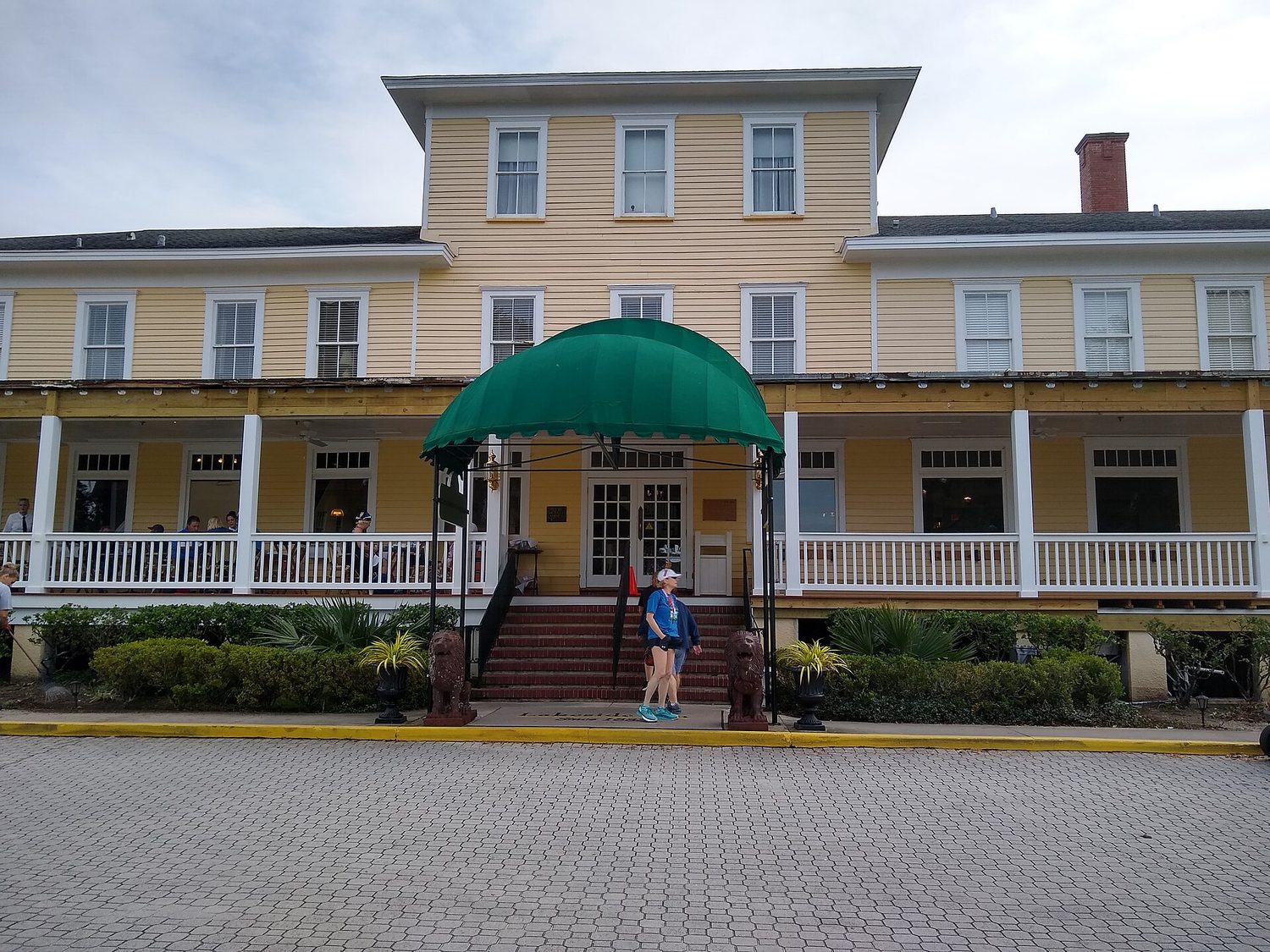
The Plateau That Should Not Be
Florida is flat. That is the state’s whole deal—a limestone pancake draped in sand and sawgrass, rising a few feet above the tide line and then giving up. Mount Dora does not cooperate. It stands on a plateau, a rare rise in the Lake County interior, high enough to catch a breeze that the rest of the state never feels. The only inland freshwater lighthouse in Florida marks this spot, which tells you everything: this town treats elevation as a maritime event.
The land itself is the reason the town is where it is. Boats needed a lake, but early settlers needed a hill. Mount Dora delivers both. Lake Dora sits at its feet, and the ridge above it offered a place to build that did not flood, did not swamp, and did not disappear into the palmetto scrub. That is a rare combination in this part of Florida, and the town has been coasting on that geological luck ever since.
A Town That Skips the Swamp
Look at the numbers. The population is 16,812 people—small, deliberate, not a boomtown. The median age is 48.8 years. That is not a retirement community in the gated sense; it is a town where people stay, and where people come to slow down. The median household income is $69,931, which is respectable without being flashy. The median home value runs $316,100. These are not Miami numbers. They are the numbers of a place that has decided it is done growing and would rather be comfortable.
The housing stock tells the same story. Of 8,121 total housing units, only 500 are held for seasonal or recreational use. That is about six percent. For a lakeside Florida town with a famous arts festival, that is almost stubbornly low. Mount Dora does not want to be a vacation rental ghost town. It wants neighbors. Vacant units number 992, which sounds like a lot until you remember that a chunk of that is normal turnover, and another chunk is the seasonal rhythm of a place that hosts big weekends and then goes quiet.
The Degree Problem and the Work Problem
Here is where the town gets interesting. 37.5 percent of adults hold a bachelor’s degree or higher. That is a well-educated population, the kind you expect in a college town or a wealthy suburb. But the unemployment rate sits at 5.1 percent, slightly above the national average. That gap between education and employment is not a failure; it is a lifestyle choice. People here are not scrambling. They are working enough, living on the ridge, and enjoying the fact that the median gross rent is $1,500—which, for Florida, is a bargain for this kind of setting.
Mount Dora does not need a tech corridor. It needs artists, retirees, and people who can work from anywhere and chose somewhere with a lighthouse. The education numbers support that. So does the age profile. This is a town of people who read, who buy art, and who have already done their career time.
The Calendar Is the Real Engine
Twice a year, the town’s quiet competence turns into controlled chaos. The Mount Dora Arts Festival lands on the first full weekend of February, drawing hundreds of national artists who set up painting, sculpture, and photography through the downtown streets. That is not a craft fair with a few quilt stands. That is a serious juried show, and it fills the town with people who came for the art and stayed for the lake.
Then October brings the Mount Dora Craft Fair, with more than 350 exhibitors packing downtown for a weekend. Sunshine Artist magazine—the trade bible for this kind of event—named it the number one all-time favorite classic and contemporary craft festival in America in its 50th anniversary edition. That is not a local chamber of commerce patting itself on the back. That is an industry ranking, and it has made the town’s reputation nationwide.
These events are not side attractions. They are the economic pulse. They bring in the crowds that fill the restaurants, the inns, and the sidewalks. They also keep the town’s identity sharp: Mount Dora is a place where making things by hand is still valued, where the main street is a gallery, and where the seasonal units finally earn their keep for a few weekends each year.
The Charm Trap
The town knows it is pretty. The brick streets, the lake views, the lighthouse—it is a postcard. But the writing should not gush, and neither should you. Mount Dora is not a hidden gem; it is a discovered one, sitting on its hill with the quiet confidence of a place that has been called charming so often it stopped listening.
What makes the town work is the friction between its geography and its population. The plateau gives it altitude. The lake gives it purpose. The festivals give it a calendar. And the residents—educated, older, settled—give it a temperament that does not chase trends. The 5.1 percent unemployment is not a crisis; it is a signal that nobody here is desperate. The 37.5 percent with degrees is not a boast; it is a baseline.
Mount Dora is where it is because the land rose up and the people stayed. That is all. The lake could have gone anywhere. The hill could have been leveled. But the hill won, and the town built on top of it, and now the lighthouse shines over a place that never needed to be anything other than itself.
Every business named above is one we hold a listing for, and every date traces to a source on our sources page. We do not describe menus, interiors or service we have not verified. Details change — confirm before you travel.