Guides · Mount Dora, Florida
What Has Changed in Mount Dora: A Hilltop Town's Evolution
Mount Dora has spent 140 years perfecting the art of being a hilltop winter retreat. The census data suggests it’s now also becoming something else: a permanent home for educated, settled newcomers who like their charm with a side of elevation.
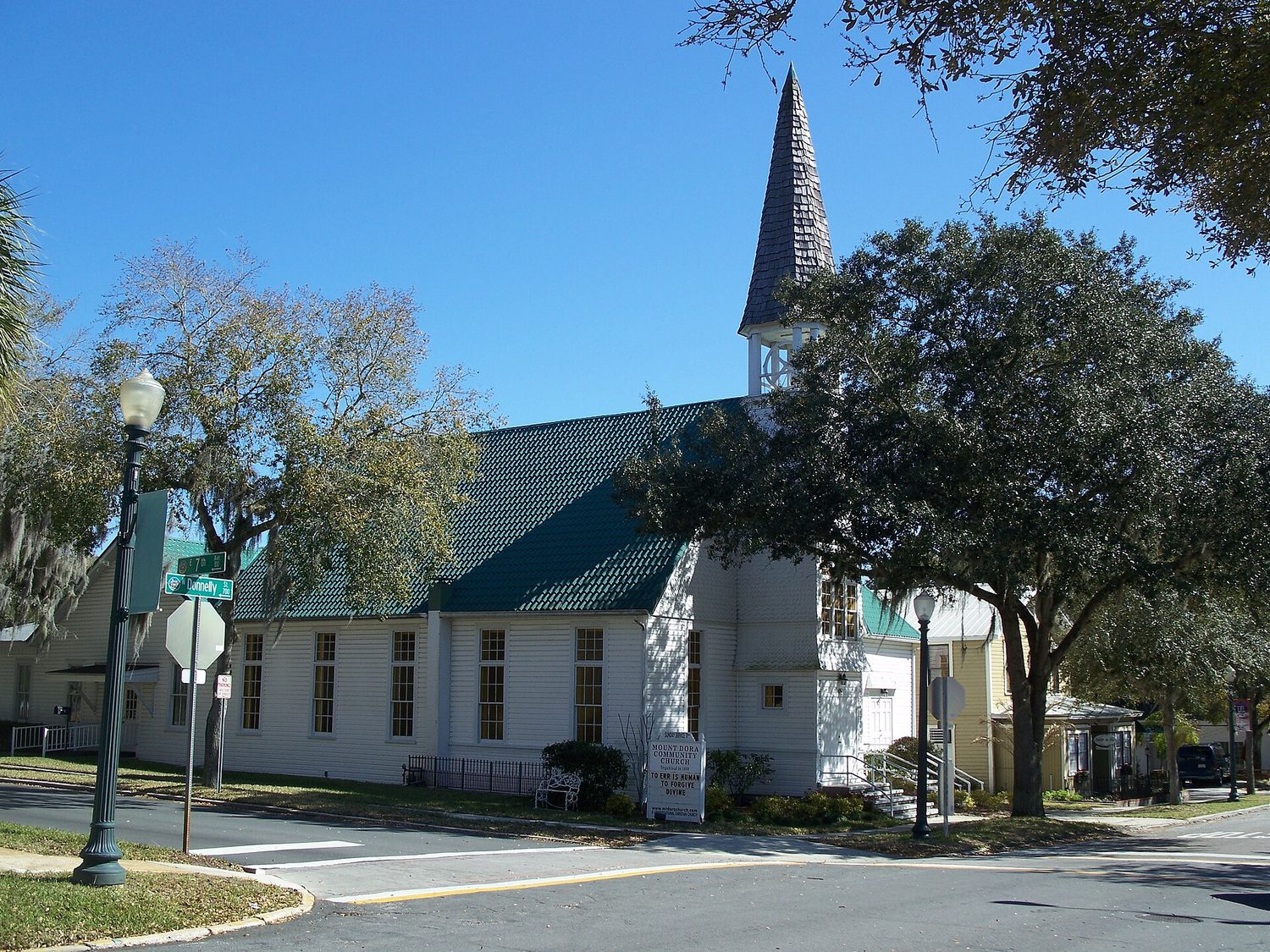
A Hill That Was Always a Resort
David Simpson and his family arrived in 1874. The settlement that became Mount Dora was never really about agriculture or industry. It was about escape. Ross C. Tremain took the postmaster role in 1880, the Alexander House opened as a hotel in 1883, and the town was chartered in 1910—by which point the pattern was already set. Visitors came for the winter, stayed in the hotel, and left when the heat returned. The town was incorporated with a clear purpose: serve the seasonal crowd. That resort DNA is still in the bones of the place, even if the guests now arrive by car instead of steamboat.
Why Mount Dora's 184-Foot Elevation Matters
Florida is flat, except where it isn’t. Mount Dora sits on a plateau 184 feet above sea level—a genuine bump in a state that mostly rises a few dozen feet and calls it a day. Surveyors named Lake Dora in 1846 after Dora Ann Drawdy, an early settler, and the town took its name from the lake in 1883. So the “Mount” is literal. It’s not a marketing flourish; it’s topography. That elevation gave early developers something to sell: cooler air, a view, a reason to climb. In a state where hills are rare, a town perched at 184 feet had a natural advantage. It used it.
The Lighthouse That Shouldn’t Be Here
The 35-foot lighthouse at Grantham Point, dedicated on 25 March 1988, is the only inland freshwater lighthouse in Florida. It’s a bit absurd, and the town knows it. No ocean within sight. No shipping lane to guide. No maritime emergency that requires a beacon. But it stands anyway, a symbol of Mount Dora’s willingness to embrace its own quirks. It’s the kind of landmark that makes visitors pause, take a photo, and wonder why it exists. The answer is simple: because Mount Dora decided it should.
Mount Dora's Demographic Shift: From Seasonal to Permanent
The census figures tell a story of a town that has quietly shifted from seasonal escape to permanent address. The median age is 48.8 years—a mature population, not a retirement community exactly, but not a playground for the young either. More telling is the education level: 37.5 percent of residents hold a bachelor’s degree or higher. That’s a workforce that can work from anywhere and chose to work from here.
Housing data reinforces the transition. Of 8,121 total housing units, only 500 are held for seasonal or recreational use—about 6 percent. That’s not nothing, but it’s hardly a winter-only town. The median home value sits at $316,100, with median gross rent at $1,500 per month, and median household income at $69,931. The unemployment rate is 5.1 percent, a reasonable figure for a town of 16,812 people.
The odd number is the 992 vacant units. Some of that is normal turnover. But in a town with a strong second-home history, it hints at investment properties waiting for buyers or renters. The question is whether those units become permanent homes or remain seasonal. So far, the trend leans toward the former.
How Mount Dora's Festivals Reflect Its Evolution
Mount Dora’s cultural calendar has become its real engine. The Mount Dora Arts Festival, held on the first full weekend of February, draws hundreds of national artists showing painting, sculpture and photography through the downtown streets. It’s a February event, which means it still caters to the snowbird crowd—but it also pulls in day-trippers from Orlando and beyond. The Mount Dora Craft Fair in October goes further, with more than 350 exhibitors filling downtown for a weekend. Sunshine Artist magazine named it the number one all-time favourite classic and contemporary craft festival in America in its 50th anniversary edition.
These events are not just entertainment; they’re economic infrastructure. They bring visitors, fill hotels, and put the town’s name in front of people who might otherwise drive past. They also reflect a town that has moved beyond its resort roots. A winter resort hosts guests; a year-round community throws festivals.
What’s Next for Mount Dora?
The tension between the 500 seasonal units and the 992 vacant ones is the story to watch. If those vacancies convert to permanent residents, Mount Dora becomes a full-time community with a seasonal accent. If they stay empty, the town remains what it has always been: a place people visit, not live. The median age and education levels suggest the former. Remote work has made it possible for people with degrees and incomes to live anywhere, and a hilltop town with a lighthouse and a good festival calendar is a compelling anywhere.
Mount Dora has never been a secret, and it isn’t becoming one. It’s a town that knew what it was in 1883 and has spent the intervening years refining the pitch. The only change is who’s buying.
Mount Dora at a Glance: The Numbers Behind the Charm
| Measure | Value |
|---|---|
| Population | 16,812 people |
| Median age | 48.8 years |
| Bachelor’s degree or higher | 37.5 percent |
| Total housing units | 8,121 units |
| Seasonal or recreational use homes | 500 units |
| Vacant housing units | 992 units |
| Median home value | $316,100 |
| Median gross rent | $1,500 |
| Median household income | $69,931 |
| Unemployment rate | 5.1 percent |
Common questions
- Why is Mount Dora called 'Mount' if Florida is flat?
- The town sits on a plateau 184 feet above sea level, which is unusually high for Florida. Surveyors named Lake Dora in 1846, and the town took its name from the lake in 1883. The elevation is literal, not a marketing flourish.
- Is the lighthouse in Mount Dora real or just decorative?
- The 35-foot lighthouse at Grantham Point is real and was dedicated on 25 March 1988. It is the only inland freshwater lighthouse in Florida. It is not a working navigational aid for ocean vessels but a historic landmark commemorating the town's lake heritage.
- When did Mount Dora first become a tourist town?
- It was sold as a winter resort from the start. The Alexander House opened as a hotel in 1883, the same year the town took its name. That building later became the Lakeside Inn, listed on the National Register of Historic Places in 1975.
- What is the best time to visit Mount Dora for art?
- The Mount Dora Arts Festival is held on the first full weekend of February and draws hundreds of national artists showing painting, sculpture and photography through the downtown streets. If you prefer crafts, the Mount Dora Craft Fair fills downtown for a weekend each October.
- How many people live in Mount Dora permanently?
- The population is 16,812 people, with a median age of 48.8 years. About 500 of the 8,121 housing units are held for seasonal or recreational use, and 992 are vacant, so the permanent resident count is lower than the total housing stock suggests.
Every business named above is one we hold a listing for, and every date traces to a source on our sources page. We do not describe menus, interiors or service we have not verified. Details change — confirm before you travel.